
Downsizing for fuel economy
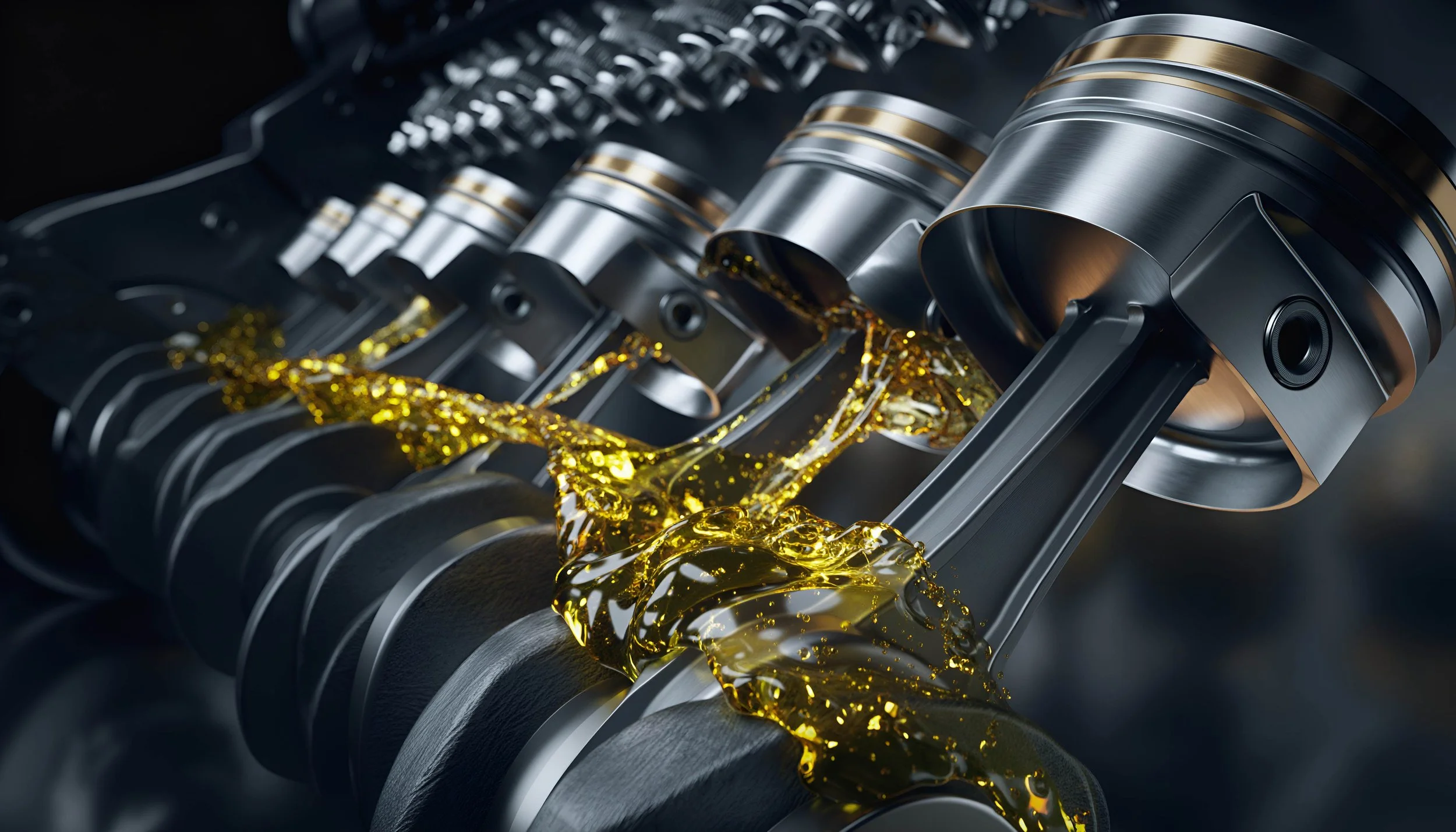
As the industry navigates the dual pressures of lower emissions and increasing hybridisation, engine design continues to evolve at pace. The push for improved fuel economy has reshaped both conventional internal combustion engines and the way those engines operate within hybrid systems. While lubricant technology has long played a central role in balancing durability and efficiency, modern hardware changes are now driving more fundamental shifts in engine oil formulation.
One of the most significant developments in recent years has been the widespread adoption of gasoline direct injection (GDI), particularly in turbocharged gasoline direct injection (TGDI) engines. This technology supports downsizing, allowing smaller displacement engines to deliver power outputs that were once only achievable with larger units. Direct fuel delivery into the cylinder enables optimised compression ratios, while turbocharging further improves efficiency by recovering energy that would otherwise be lost.
However, these gains come with trade-offs. Downsized engines typically operate under higher thermal and mechanical stress, with turbocharging adding additional heat and deposit risk. At the same time, hybrid electric vehicles are introducing frequent stop-start cycles and lower average oil temperatures, placing very different but equally demanding stresses on the lubricant. As a result, modern engine oils must deliver all the traditional core functions of lubrication, cooling, cleanliness, wear protection and corrosion inhibition, while also addressing challenges specific to GDI, TGDI and hybrid operating conditions.
“Downsizing has delivered genuine efficiency gains, but it has also raised the baseline severity that the lubricant is expected to handle. The oil has to do more than ever, across a wider range of operating conditions.”
Benjamin Hunter, Technology Manager, SBZ
1. Low speed pre-ignition (LSPI)
To maximise fuel economy, combustion must be tightly controlled. In downsized GDI and TGDI engines, however, operating conditions can create a phenomenon known as low speed pre-ignition (LSPI). In an LSPI event, the air-fuel mixture ignites before top dead centre, while the piston is still travelling upward. This can cause a sudden pressure spike, potentially leading to severe engine damage.
One method used to reduce LSPI risk is over-fuelling, as excess fuel can cool the combustion chamber. But this comes at a clear cost to fuel economy, undermining the very benefits that downsizing is intended to deliver. For this reason, lubricant formulation and additive chemistry play a key role in reducing LSPI frequency. This is reflected in modern industry specifications, where LSPI performance is now evaluated using dedicated test methods such as the Sequence IX engine test.
2. Timing chain wear and soot-related abrasion
Soot has historically been associated with diesel engines, but GDI combustion can also generate soot due to injection behaviour and a higher likelihood of incomplete combustion compared with older port fuel injection designs. This means soot management is now a gasoline engine lubricant challenge as well.
One of the most sensitive areas is the timing chain system. Soot-related wear can contribute to chain elongation through abrasive wear, corrosion, and degradation of pin coatings. Over time, this can lead to valve timing issues and associated performance concerns.
As a result, engine oil formulations must increasingly balance soot handling with anti-wear performance, particularly in areas where chain wear test performance is known to be sensitive to additive chemistry.
3. Oxidation resistance and deposit control
Turbocharged engines run hotter by design, and this thermal load increases the demand placed on the lubricant. Oxidation control is critical, not only to prevent viscosity increase, but also to minimise deposit formation, which can affect turbocharger performance and long-term engine cleanliness.
Direct injection engines can also be more prone to fuel dilution, which may accelerate oxidation and contribute to deposit risk. For this reason, robust antioxidant performance is essential in modern passenger car engine oils, and oxidation control remains a key differentiator between formulations.
Modern industry test requirements reflect this shift, with increasingly severe performance limits designed to ensure oils maintain viscosity stability and cleanliness over extended operating conditions.
“What we’re seeing is that the traditional ‘one challenge at a time’ approach doesn’t hold up in modern gasoline engines. You can’t optimise for LSPI, chain wear, oxidation and deposit control in isolation, because they’re all connected through formulation choices.”
Benjamin Hunter, Technology Manager, SBZ
4. Low temperatures, intermittent operation and water contamination
While downsizing is often discussed in terms of heat and pressure, the broader transition towards hybridisation introduces a different set of lubricant challenges. Hybrid electric vehicles (HEVs) and plug-in hybrid electric vehicles (PHEVs) typically operate with frequent engine stop-start cycles, and the internal combustion engine may only run for short bursts.
This creates conditions where the engine often does not reach full operating temperature, allowing moisture from combustion blow-by to accumulate rather than evaporate. Condensed water can mix with fuel and combustion gases, increasing the risk of emulsification, sludge formation and acid build-up.
Hybrid powertrains can experience repeated engine restarts at motorway speeds following periods of engine shutdown. In these conditions, the lubricant must rapidly reach critical components while still providing sufficient film strength under load.
For modern engine oils, this means cold temperature performance and emulsion control are increasingly important, alongside traditional protection against rust, sludge and corrosion.
Conclusion
Modern engine oil formulations are now active enablers of hardware durability, emissions compliance and fuel efficiency. Formulation decisions must be made holistically, balancing advanced chemistries to deliver LSPI mitigation, timing chain protection, oxidation resistance, deposit control and low-temperature performance as interconnected requirements. Rather than diminishing the importance of lubricant technology, the evolution of engine design has elevated it.